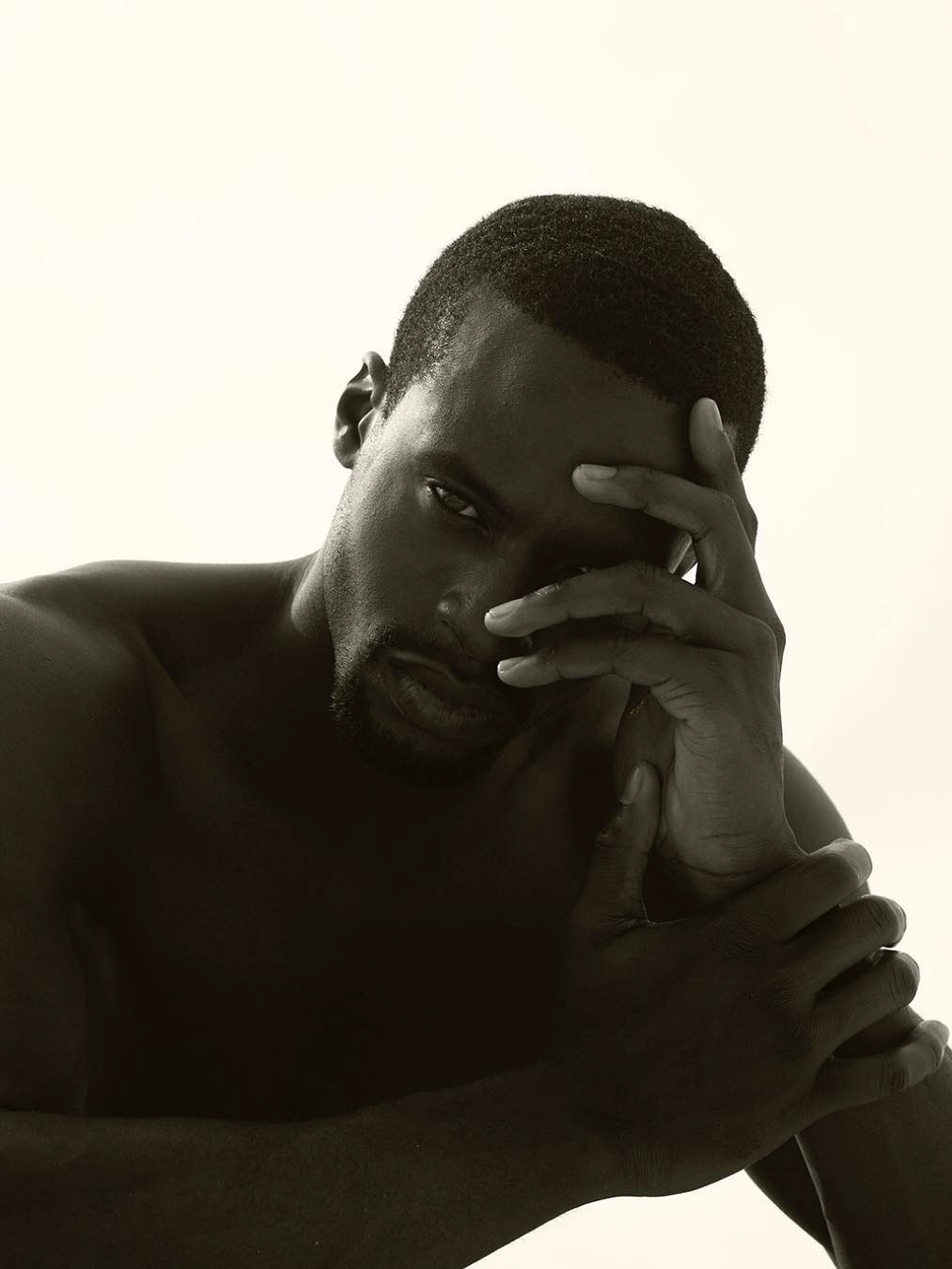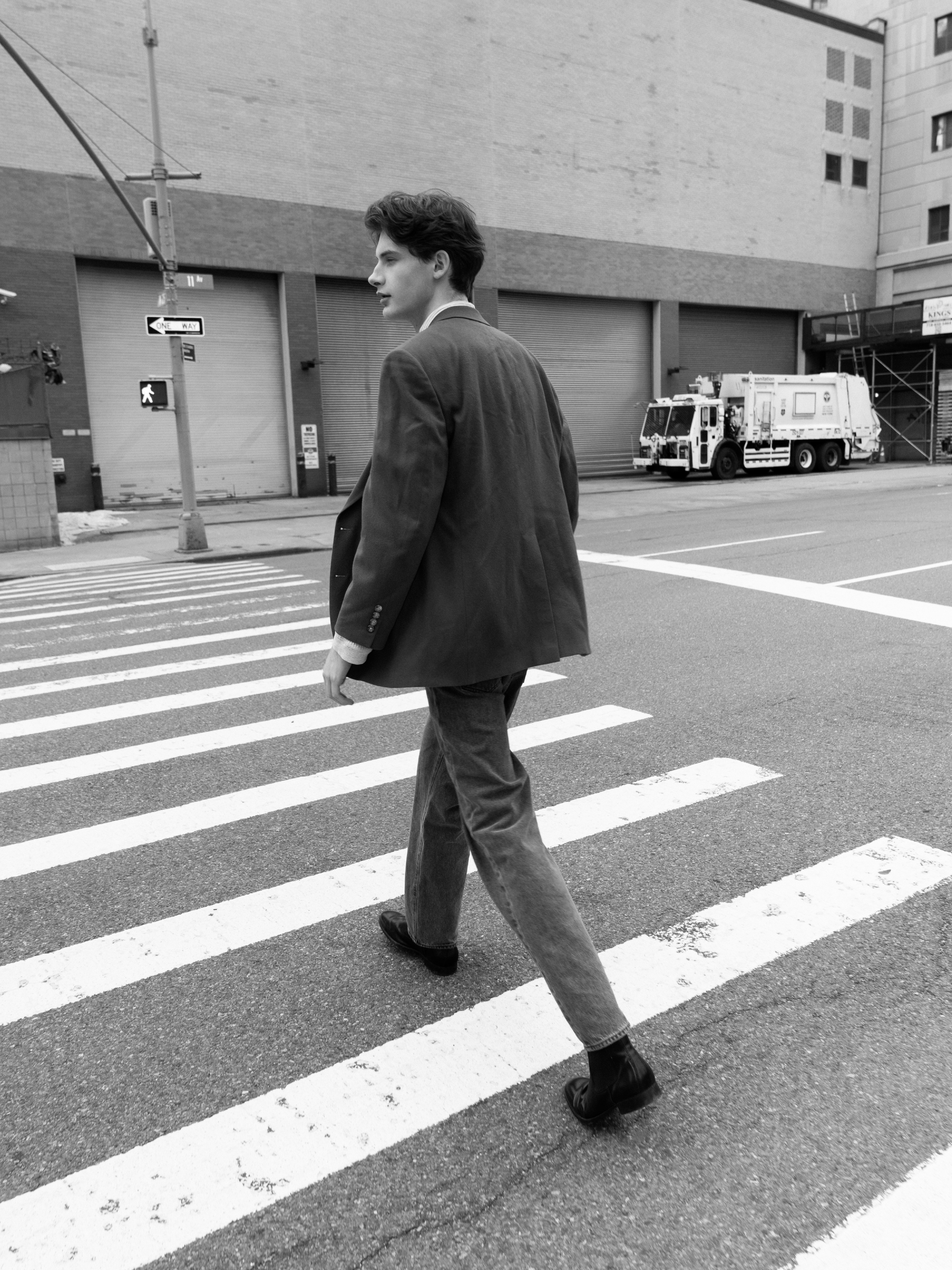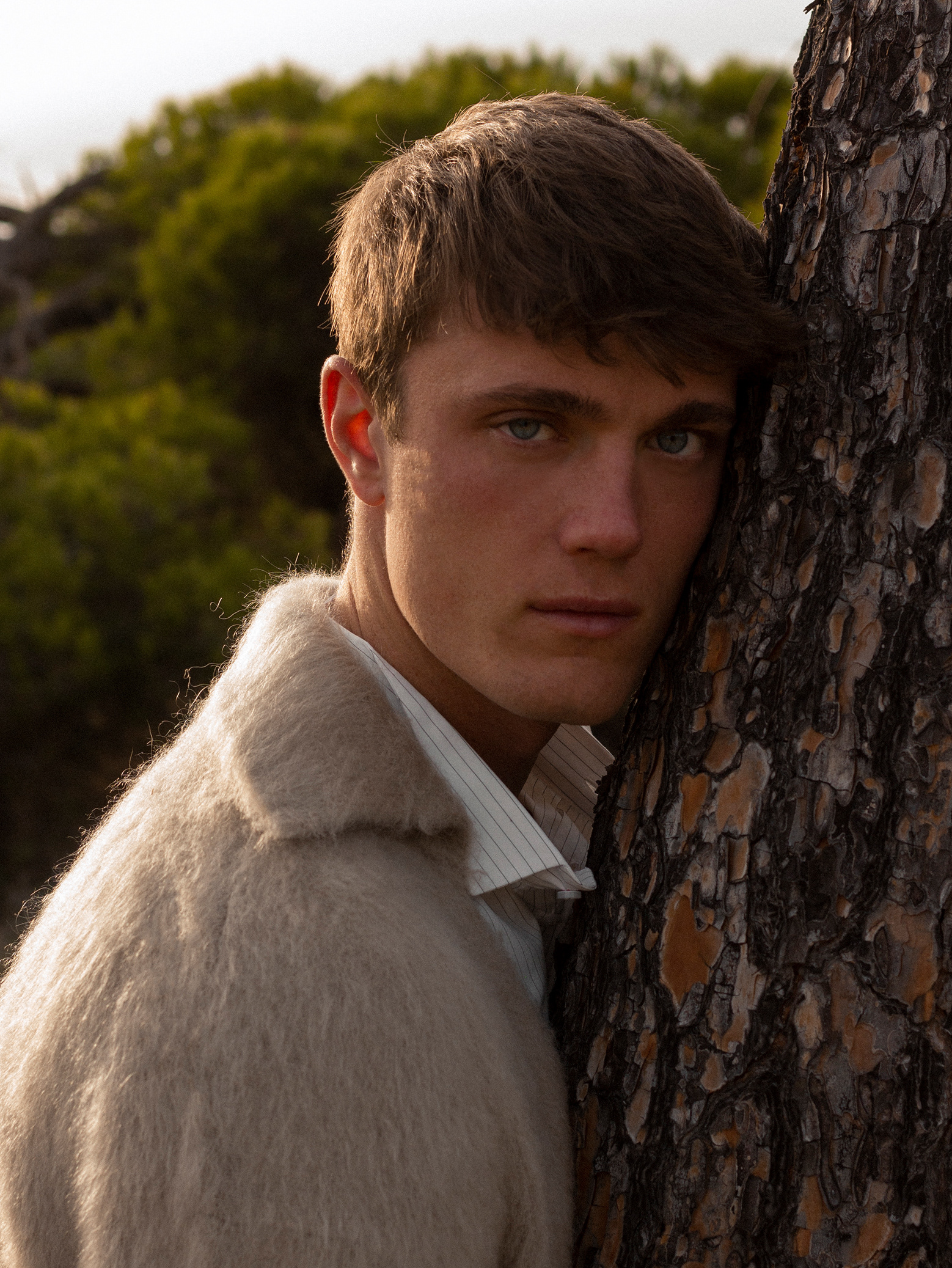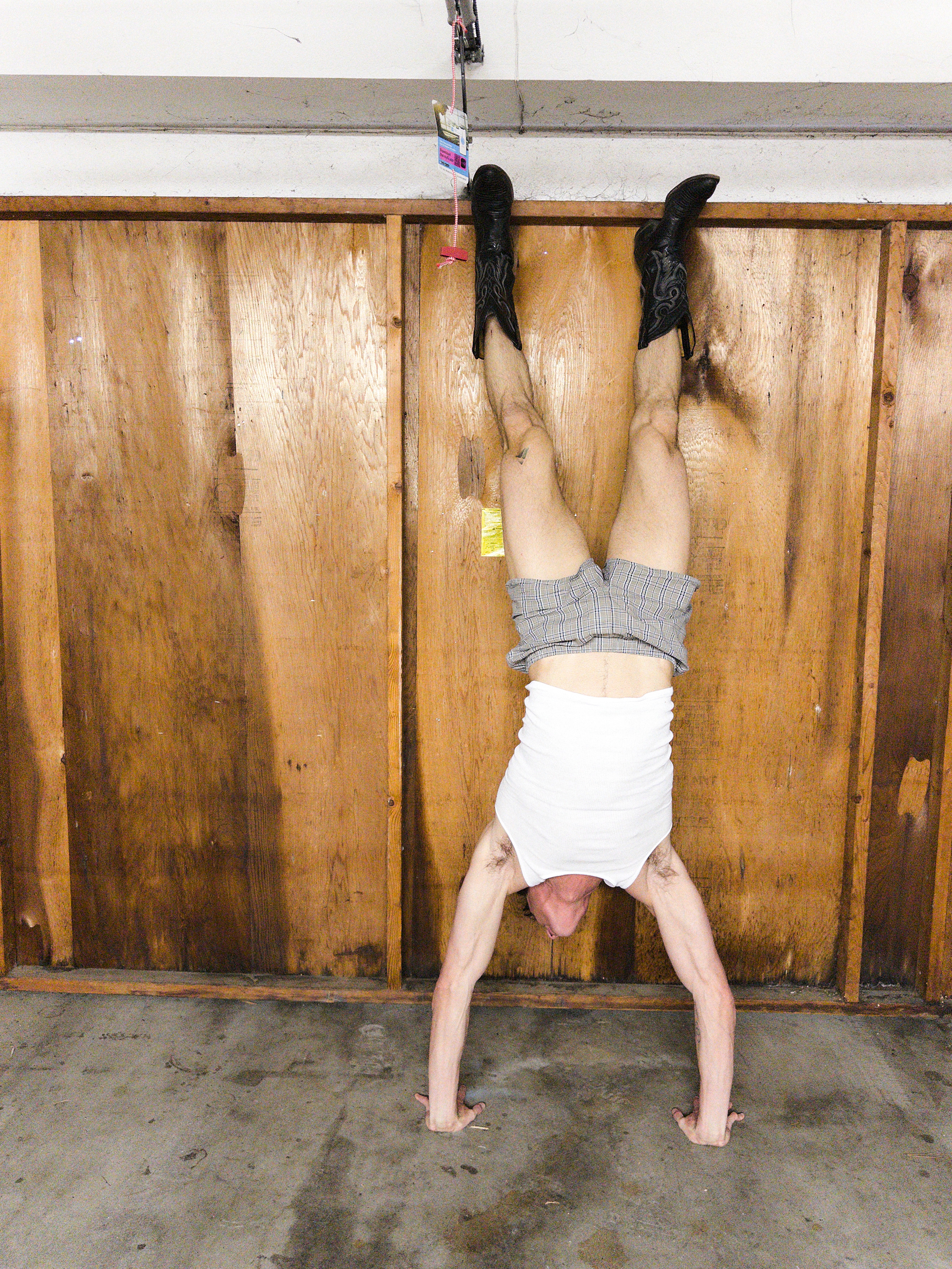
Born in Bilbao, Cachorro Lozano is a multidisciplinary artist whose practice moves fluidly between photography, performance, audiovisual work, text and ceramics. Trained in Fine Arts at the University of the Basque Country, his work has been exhibited internationally in institutions, galleries and festivals across Europe, the United States, Japan and Latin America.
In this conversation, Lozano reflects on his earliest creative memories and the references that shape his visual language. He speaks openly about identity, vulnerability and masculinity, his relationship with fashion, and the paths he is driven to explore next.
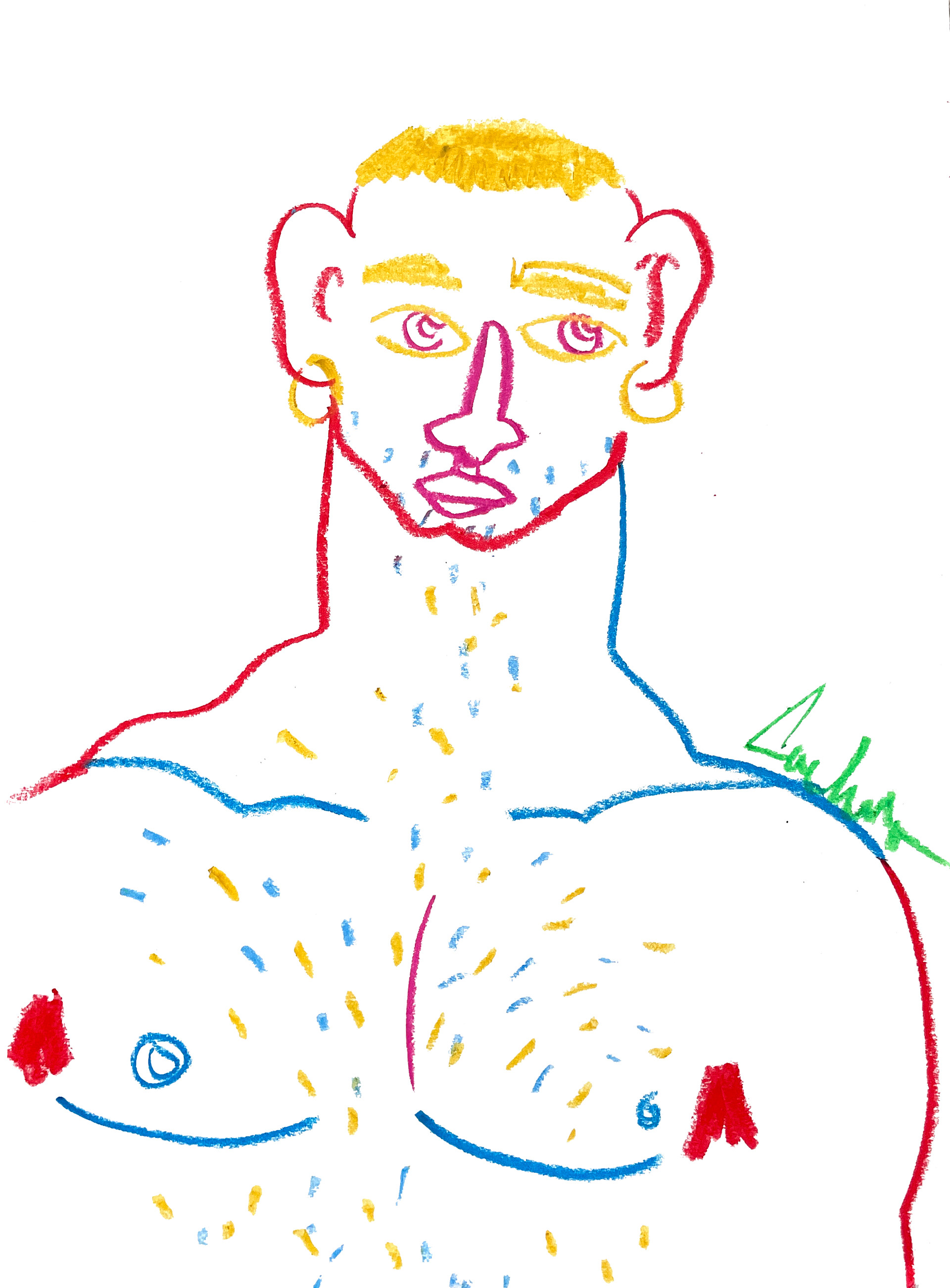
01. What is your earliest memory as a creative, and which influences shaped your artistic identity when you were starting out?
I have always had materials to create within reach. I’ve been very lucky. I grew up in an environment with little or no direct connection to the art world, yet it provided everything it could for me to develop my creativity.
I can’t pinpoint a single defining moment, but I clearly remember countless possibilities around me to do what has always come most naturally to me: experimenting. Costumes, notebooks, crayons, tempera paints, books, stories, films, markers, music, construction toys. Creation was always there, in many forms.
02. What are eight references that currently have the strongest impact on your visual and emotional language?
01. The Hours by Michael Cunningham
02. The paintings of David Hockney
03. Pedro Almodóvar
04. Oscar Wilde
05. Picasso’s ceramics
06. The epic trumpet finale of Así fue by Juan Gabriel at the Palacio de Bellas Artes
07. Memphis Milano
08. Warhol’s philosophy
09. The spools of colored thread in a haberdashery
Any object, artist, or moment can have a profound impact on me. These are the ones that surfaced today, but tomorrow it could be an entirely different list.

03. How do you stay inspired, and what drives you to keep creating work that feels so personal and emotionally charged?
The need to speak about something in a way no one else does. Not because it’s “mine,” but because every artist carves their discourse, and therefore their life, in a unique way. Right now, this is mine.
I speak a lot about the present, because if there’s one thing I’ve learned, it’s that nothing is static. I’ve been incredibly fortunate that my approach has resonated with many people, but even if it hadn’t, it would still be just as personal and just as genuine.
Being an artist is a job, like any other, with its pros and cons. I feel deeply privileged to dedicate myself to this, but I refuse to become a slave to how I’m perceived, to what’s expected of me, or to assume that this is all I am.
04. Your work blends vulnerability with eroticism. How do you find the balance between the playful and the raw, while maintaining images that connect so deeply with people?
That balance is always there because they are not opposites. They move together. I don’t understand eroticism without vulnerability, and I don’t understand skin without the possibility of fracture.

05. Your aesthetic often merges masculine strength with feminine sensitivity. How do you navigate and integrate these two energies within your work?
They go hand in hand. They are one. Different and equal at the same time. There is no deliberate intention behind it. They coexist within me. And as the years go by, I relate to both in a kinder, healthier, more intoxicating way.
These energies converge and level each other out. They compensate for one another. They appear when they need to recalibrate. They help me understand myself, and therefore understand my theoretical and practical body of work. I imagine the people you surround yourself with also matter, your friendships, the lovers you seek and find along the way.
Perhaps we could talk about masculine sensitivity and feminine strength. About Mars and the Moon. Aries and Venus. I have a slightly mystical side that I sometimes allow myself to follow. I’m an Aries with Sagittarius rising and a Cancer moon. What does that tell you?
06. In what ways does menswear influence your artistic language and how you choose to represent masculinity?
I’m passionate about fashion from a sociological perspective. As an industry, it doesn’t interest me as much. There’s something about it that overwhelms me.
But fashion understood as illusion, as seduction, as deception, as revelation, as confusion. How it exposes the cultural moment we are living in. It’s enormously powerful.
I also think there are designers who are revitalizing something that was once considered stagnant, especially when compared to womenswear, which has always been more daring. I’m drawn to ironic designers, with a slightly geeky edge, whose cultural background is clearly visible.

07. As a queer creator, what conversations do you feel are still missing in today’s artistic landscape?
I think the first step would be moving toward a future where we can let go of the label “queer creator.” Not because we don’t enjoy reclaiming it, but because, unfortunately, it still boxes us in.
Of course my work is structured through my identity, through queerness. But it shouldn’t be limited to that context alone, because the experience of desire is universal.
08. What future projects or directions excite you, and how do they expand the universe you’ve built so far?
Right now, the most important thing for me is establishing a studio routine for 2026. I have a huge space that I still need to learn how to use. Discipline will be my key word from January 1st onward.
I also want to return to academia to elevate my work further. The idea of a PhD has started hovering over my head. Two years ago, I completed a Master’s in Ceramics and enjoyed it immensely.
This coming year, I want to take a step back from social media, from the slavery to external opinion. And I’m open, as always, to the projects that will arrive unexpectedly, as they do every year.