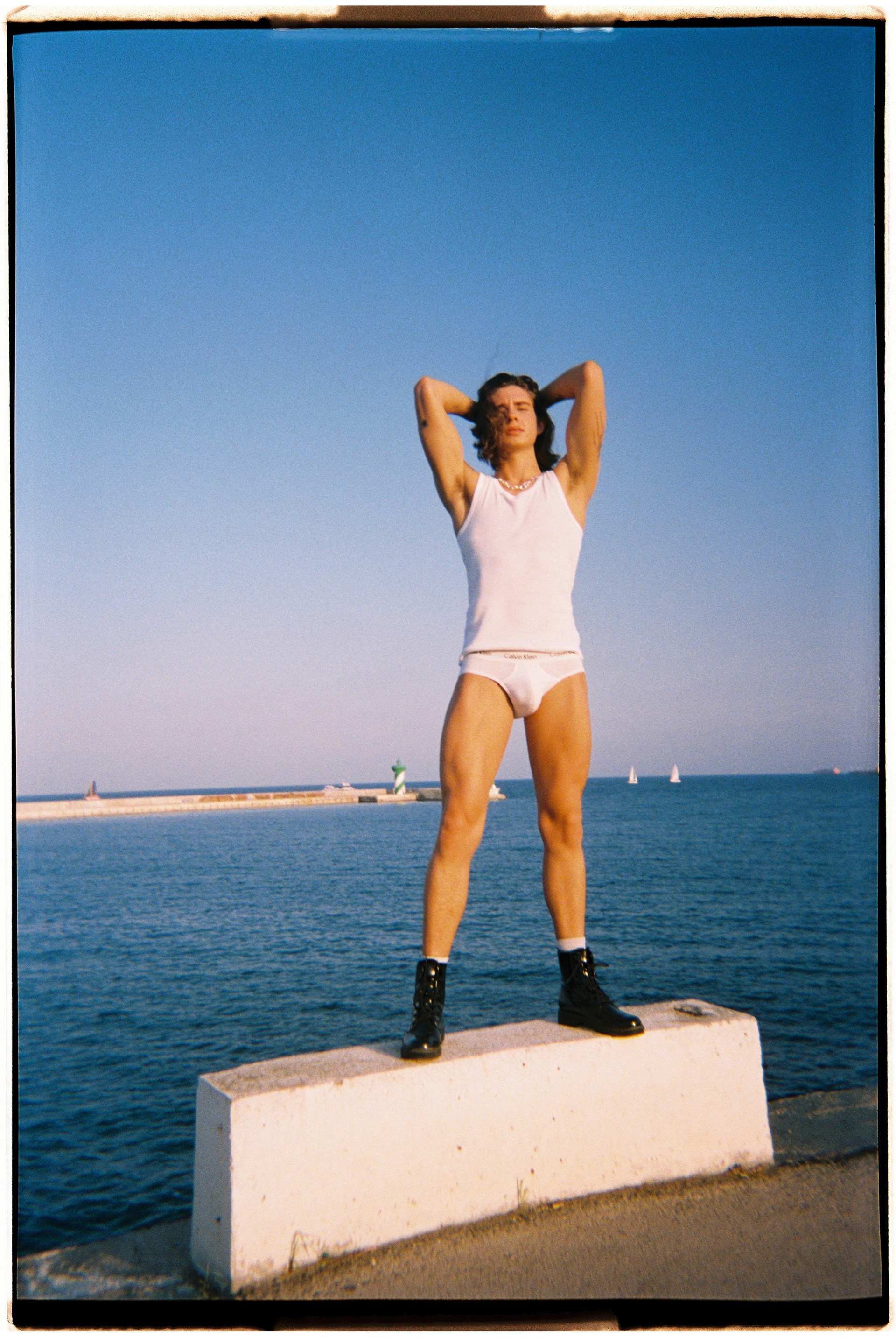
Gabriel Santiago has emerged as a distinctive and theatrical new voice in today’s pop landscape. His work blends bold visual storytelling with a cinematic sensibility, drawing from classic glamour as much as contemporary disruptiveness and a renewed vision of masculinity. With a sharp eye for style and a performer’s instinct for spectacle, he builds a world where music and image move as one. Every project he releases feels like an emotional blueprint brought to life, shaped by cultural references, personal memory, and a relentless desire to create something honest, unique, and electrifying. Now, at a moment of rapid artistic expansion, he opens the doors to the universe he’s constructing.
01. Which early artistic or cultural influences shaped your identity as a musician, and how have those inspirations evolved with time?
I’d say my earliest artistic influence was actually the Cirque du Soleil. I was obsessed with it as a kid and I think the theatricality and artistry of it is also present in my later influences like Bowie, Gaga, and Elton John.
02. If you had to choose eight key references that define your current visual and musical language, which would they be?
David Bowie
Prince
Lady Gaga
ABBA
Tom of Finland
Rainer Werner Fassbinder
Do Ya Wanna Funk? by Sylvester
Sinners by Ryan Coogler
The Ugly Stepsister (a Norwegian body-horror film that may or may not be inspiring a new song and music video).
03. What personal or creative moment sparked the beginning of the world you’re building with your music and visuals?
Not to pick a negative moment, but I think growing up a gay kid in a Catholic school in Mexico isolated me quite a bit. And I resorted to going into this mental place of imagining and visualizing the art that I’m now making. So I believe the artistic world I’m building now follows the floor plans that I sketched as a kid.
04. How do you balance vulnerability, confidence, sexuality, and self-expression when crafting your artistic persona?
My sexuality is a big part of my artistic persona and I find both vulnerability and confidence in that. I feel vulnerable dancing in a bedazzled thong in a music video that I know my religious family will watch. But it’s also empowering to show yourself so openly when you remember there was a time when you felt so scared of being open and being seen.
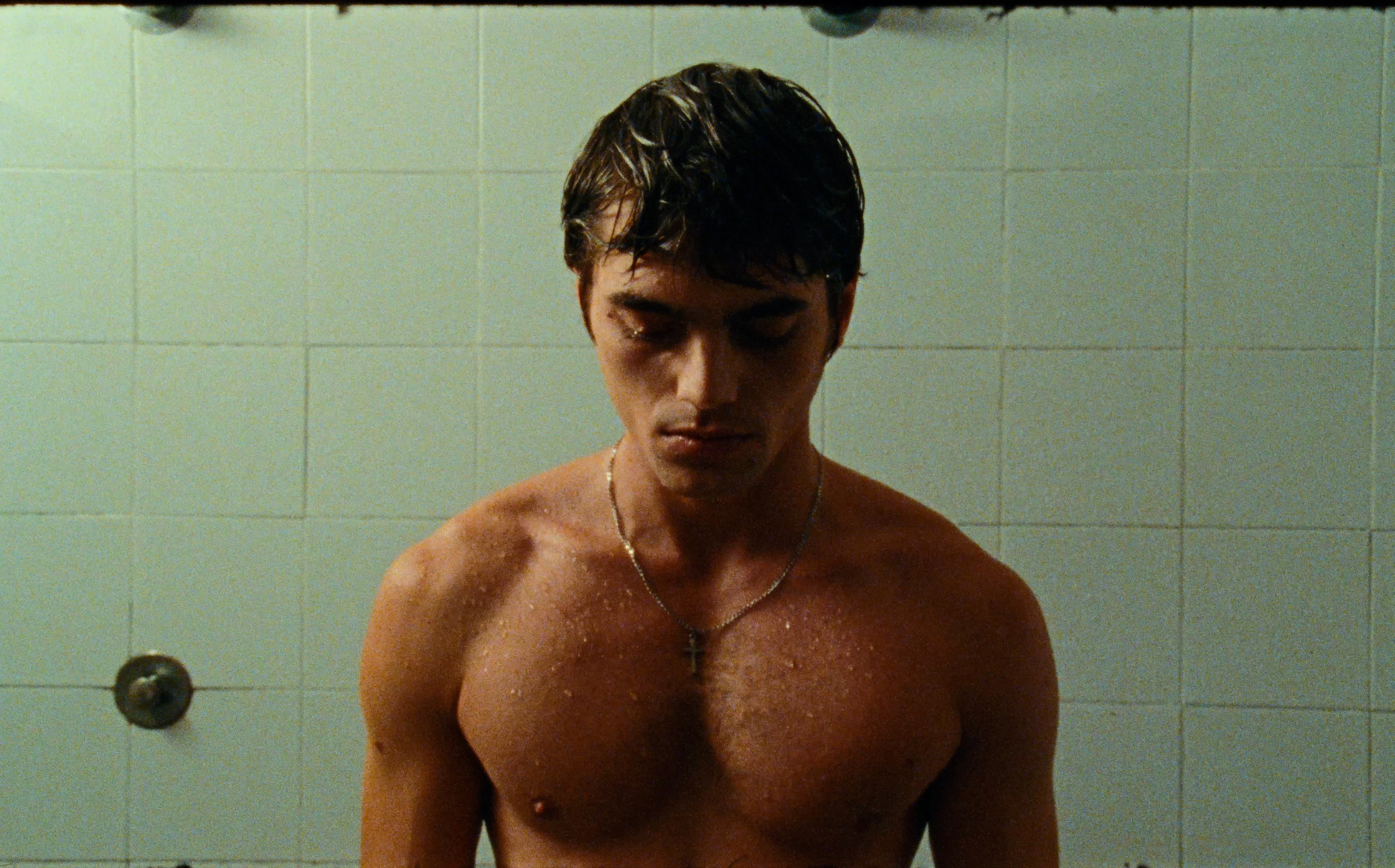
05. Your styling mixes western codes, pop references, and masculine silhouettes. How do men’s fashion and personal style shape the stories you tell through your music?
I come from a very macho culture that couldn’t care less about fashion, and I have a huge love for it. I’m not ashamed to say I’ve cried at the fashion shows I’ve had the opportunity to attend. Fashion is a huge tool in storytelling and every artist I’ve ever admired cares about fashion. I’ll sometimes think about what I’d wear in the video when I’m still writing a song.
06. For your latest single Homoerotic, what inspired the visual world you created, particularly in terms of fashion and styling?
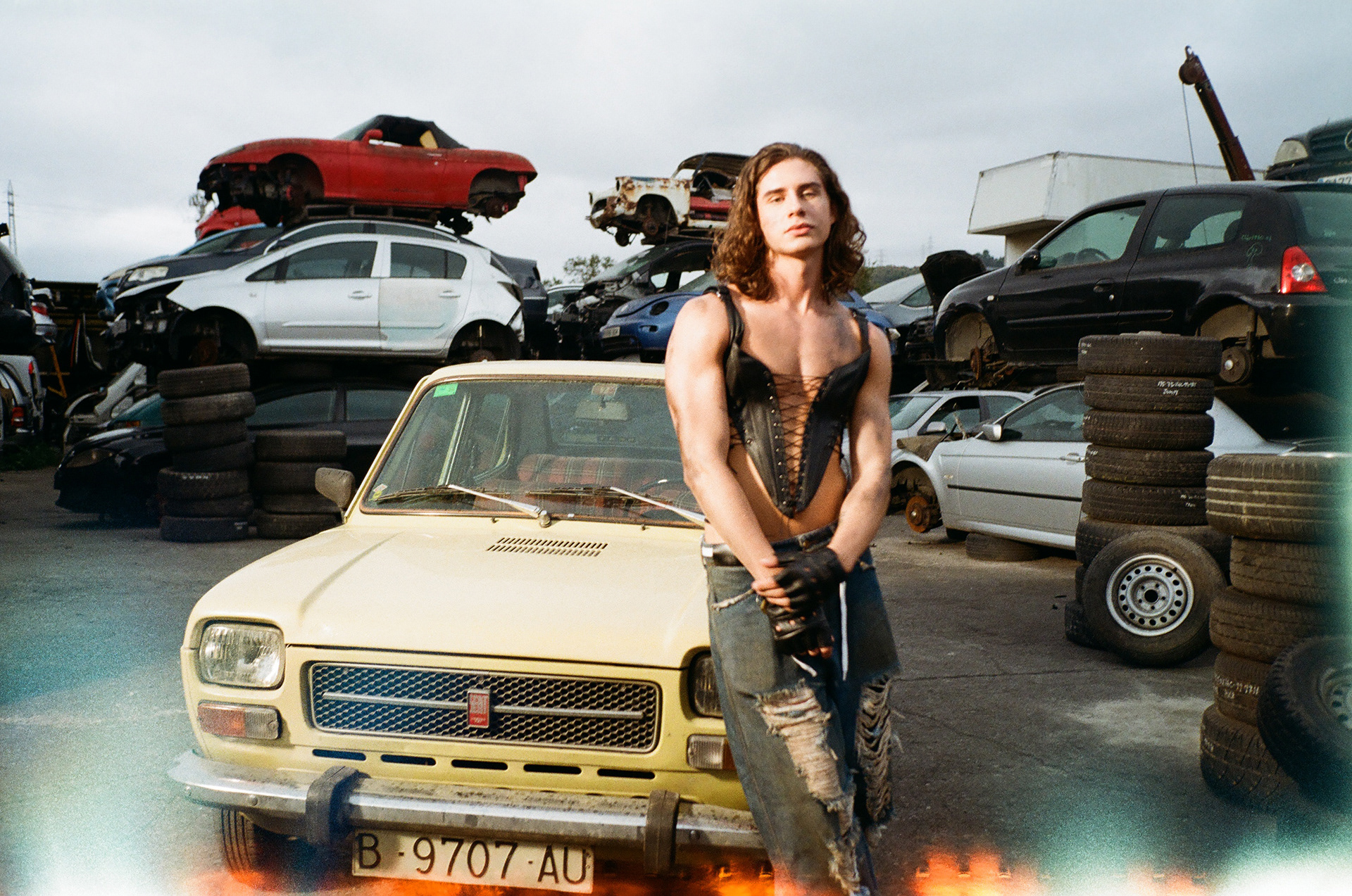
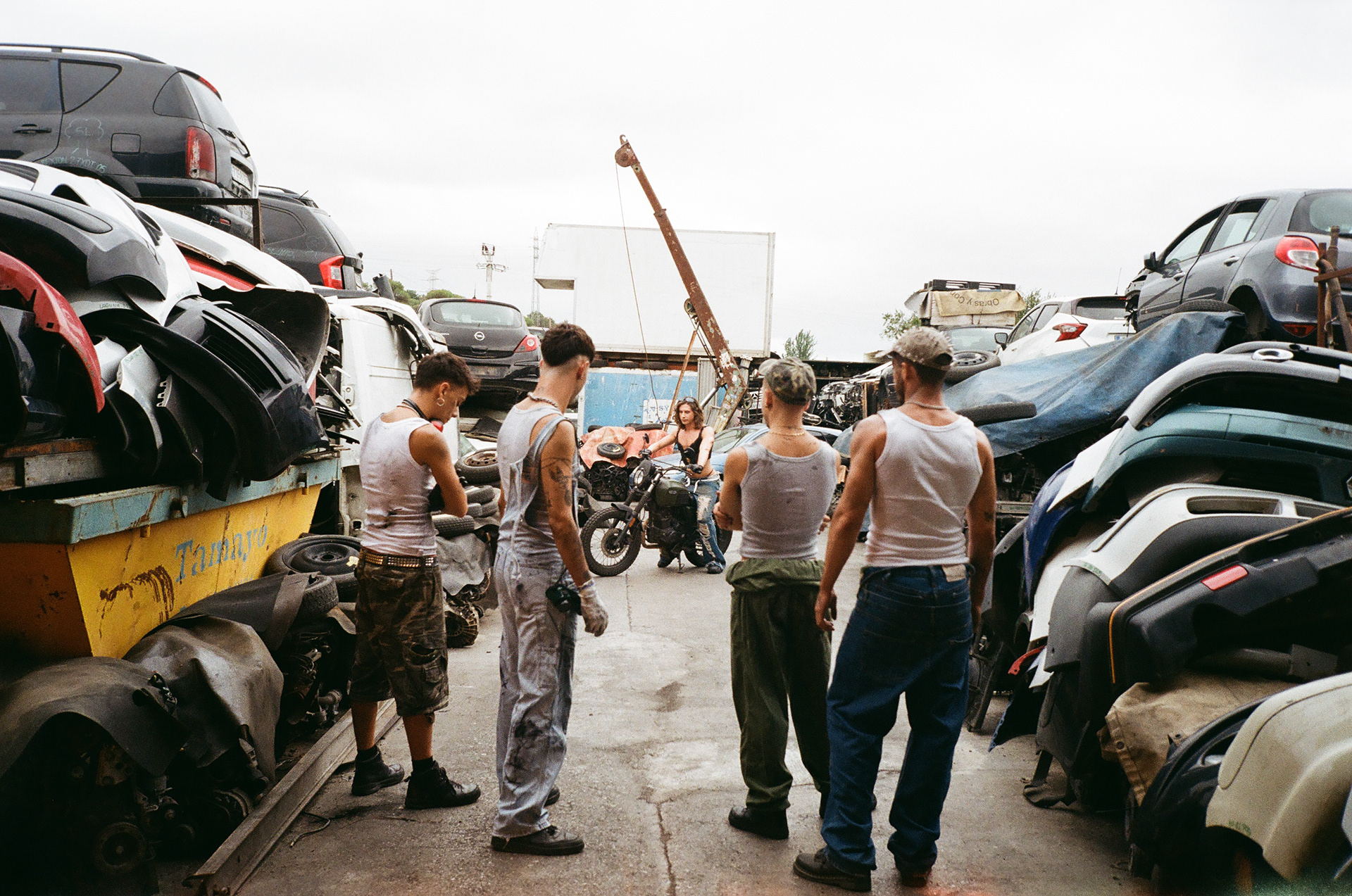
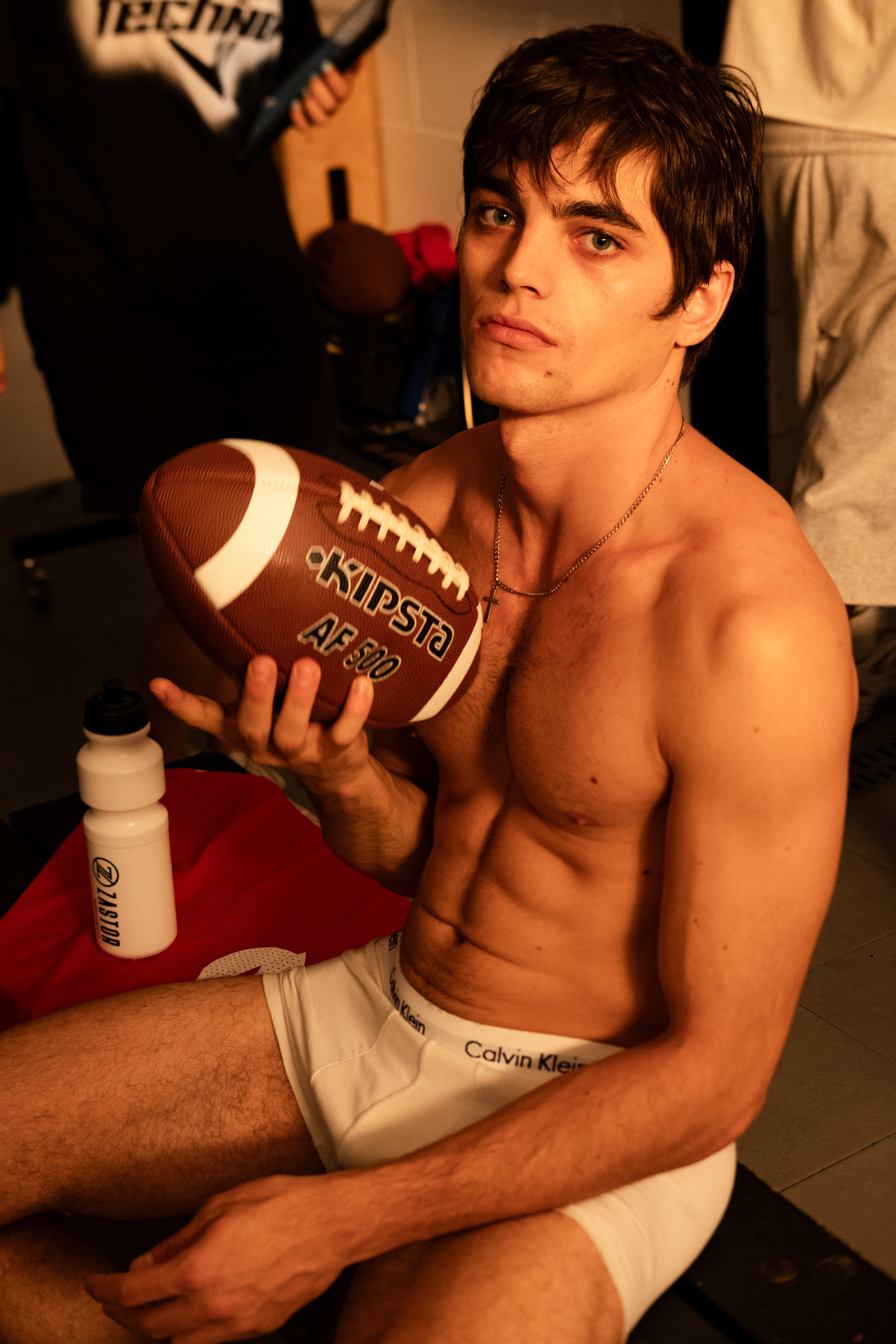
We looked at the history of gay cruising in the seventies, as well as The Village People and the idea of representing cliché male stereotypes in a campy way. I wanted my looks specifically to cause a certain disruption among the very masculine settings of the video: a dive bar, an auto garage, and the locker room of a football club.
In the bar I’m dressed like a cowboy, but a fetishist leather version of a cowboy. And in the garage I’m wearing baggy jeans that are torn and dirty, but I’m also wearing a corset and a thong. I wanted to put myself in the center of all this hostile macho energy and slowly transform it, so in the end everyone is making out with each other and wearing sluttier clothes.
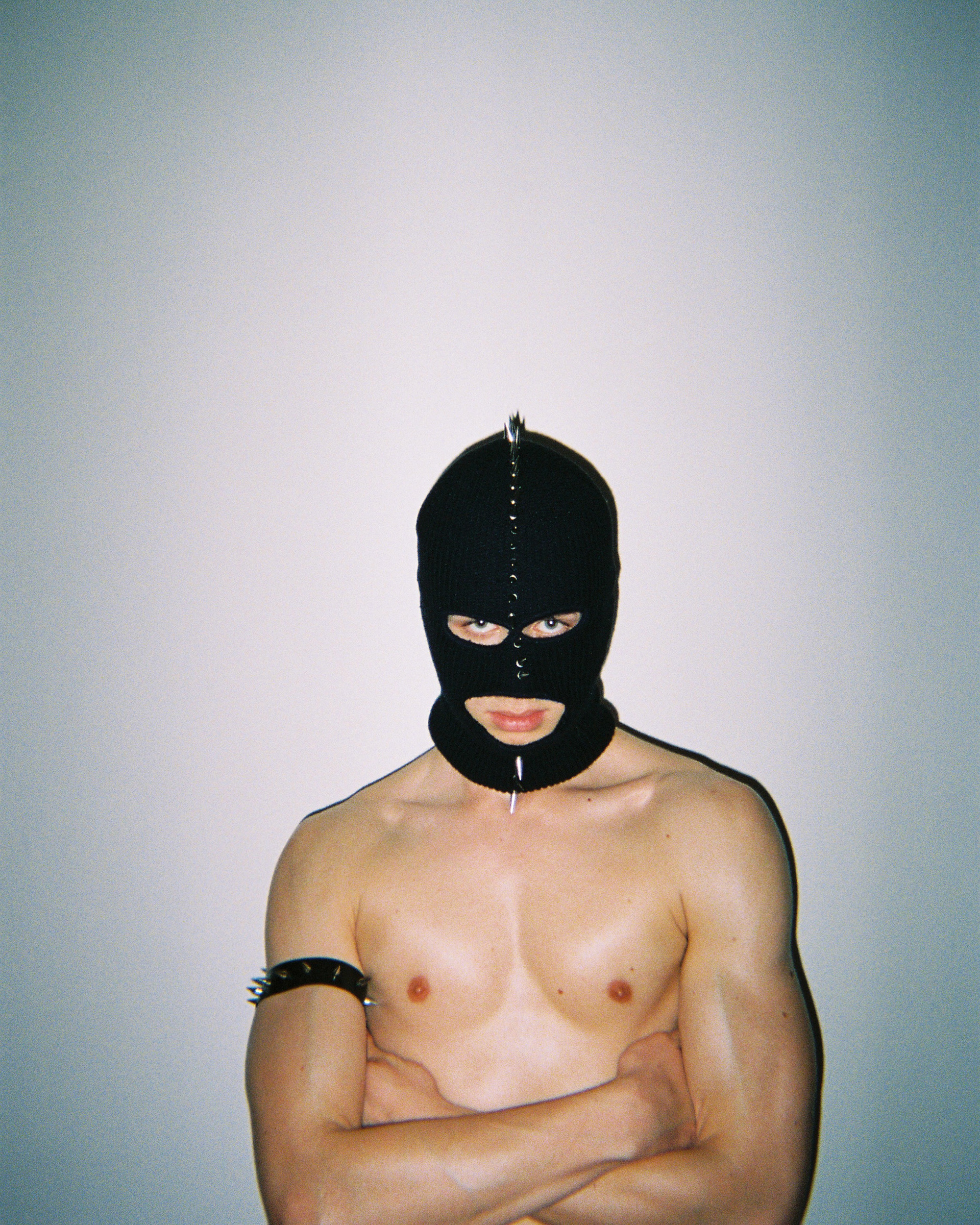
07. Which aspects of masculinity interest you the most (whether to embrace, question, or reinvent) through your art?
It interests me because I do think it’s a social construct, and with Homoerotic I almost wanted to make fun of it in a way. It’s interesting to me that the same situations can be interpreted as traditionally “macho” and also homoerotic, like the showers of a football club or an all-male dive bar. I’ve always felt in the middle when it comes to masculinity and femininity, and I think that distance allows me to view it as an interesting study subject.
08. Looking ahead, what new themes, sounds, or visual identities are you excited to explore in your next releases?
I’m producing lots and lots of new music, which takes time because I do it myself, but I’m really just hoping to make people dance. Dance music did so much for me in my life and I want to give that to people. We are extremely saturated with social media, politics, economic and moral crisis, and I feel like dancing is one of the best medicines for the body and mind.
So you can expect some disco, house, and funk from me. And as always, expect very cool fashion and very gay visuals.